

Reflecting on Your Travels: The 6th R of Responsible Travel
Reflecting on your travels is the sixth step in our series, the 7 Rs of Responsible Travel. It helps you understand not just where you’ve been, but who you’ve become.
If you’ve missed the previous posts in our series, I’ve linked them below. Be sure to check them out.
The first two Rs of responsible travel happen before the trip begins.
- Research Before You Travel: The First “R” of Responsible Travel
- Rank Your Travel Options: The Second “R” of Responsible Travel
The next three Rs of responsible travel occur during the trip. They are:
- Respectful Travel: Essential Tips and the Third “R” of Responsible Travel
- The Best Traveler Mindset: Release (The Fourth R of Responsible Travel)
- Make Friends While Traveling: Relate (The 5th R of Responsible Travel)
Research, Rank, Respect, Release, and Relate. The first five Rs help us prepare for and experience our trips responsibly.
The last two Rs of responsible travel come into play after the trip ends. The sixth R—Reflect—is what transforms those travel experiences into lasting change.
The Journey Doesn’t End When You Get Home
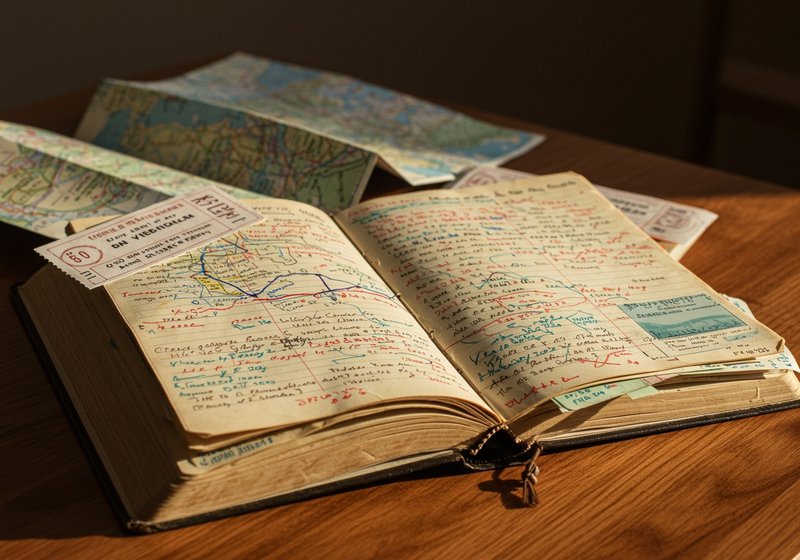
Sometimes, we find ourselves on a mental journey from a single trip for years after we take it. This is true for me from the very first trip I took without the rest of my family along.
I used to be faithful about keeping a travel journal during each trip. Over the years, as travel became a bigger part of my life, I became lax with my travel documentation, and these days, as I pore over journals from earlier trips, I find myself wanting to get back into journaling faithfully again, because as I read those words from my past self, I’m still learning.
Some of the things I read from my earlier travels make me cringe, after having learned more about responsible travel through experience, study, and research.
As I relive the journeys from years past, I see many of my experiences from a new perspective, and consider how that same journey might look today with the experience and knowledge I now have.
I know if I keep the habit of post-travel reflection, each trip will continue to uncover new epiphanies and teach me new lessons, long into the future.
This article will show how reflection turns travel into transformation—from tourist to traveler to changemaker. (Note: We’ll dive even deeper into the “changemaker” stage with the seventh R of Responsible Travel in the next post.)
What Reflecting On Your Travels Really Means in Responsible Travel
Reflection is an important part of the responsible travel cycle. Reflection on your travels, the 6th R of Responsible Travel, helps you integrate what you learned and changes how you live and travel going forward.
Reflection is the Bridge Between Experience and Action
The average tourist rushes back into everyday life after a trip. Housework, deadlines, email, Netflix binging. Insights, if there were any, slip away with the nightly social media scrolling. A pause for post-travel reflection turns moments into meaning.
Think of it this way:
- Without reflection, travel is consumption. You just collect experiences.
- With reflection, travel becomes transformation. You connect the dots between what you saw, felt, and learned, and your life is forever changed.
Beyond the Souvenir Shelf
Reflecting on your travels goes beyond nostalgia, memory lane, and “trip highlights” to ask deeper questions about yourself, the places you visited, and the world. Responsible travel starts with awareness, but it’s sustained by accountability, and reflection is where that accountability begins.
It’s nice if you can keep a journal while you travel and go back to re-read your writing and refresh your memory, and end that journal with a final entry on reflections of the trip. Whether you choose to journal during your trip or not, sitting down afterward with a block of uninterrupted time to write out your reflections is time well-spent.
Why It Matters
Reflecting on your travels helps you:
- Deepen cultural understanding. You see people not as “others,” but as teachers.
- Reduce repeat travel mistakes (ethical or practical). Maybe you’ll think twice before booking a chain hotel or overpacking.
- Strengthen empathy and global awareness. You’ll start to see shared humanity everywhere.
- Align future choices with your values. Post-travel reflection will help ensure your future trips, and your everyday choices, better reflect your values.
After you unpack your suitcase, take the time to unpack what your suitcase can’t hold and reflect on what this trip taught you.
The Traveler’s Debrief: Reflection Questions That Matter
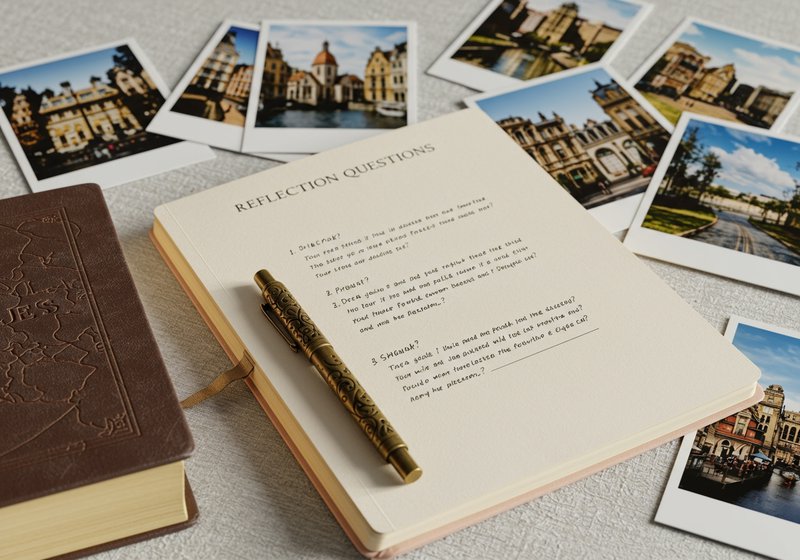
Below are prompts to guide your Traveler’s Debrief—a simple framework to help you make sense of standout moments, people, places, observations, feelings, and lessons learned.
This doesn’t need to be complicated. Jot your throughts in a journal, in your phone, or through conversation with a friend. You don’t need to feel obligated to answer every single question. These are starting points for your own journey.
Who
Relationships can be the most transformative part of travel. Reflect on how people you met shaped your understanding of their culture, and yours.
- Who made the biggest impression?
- Who challenged your assumptions or busted a stereotype?
- Who would you like to stay in touch with or learn more from?
- Who lightened your mood, made you laugh, or inspired you?
- Who frustrated you? Can you pinpoint why?
What
Look beyond the postcard version of your trip. The “what” often reveals where growth happened, sometimes in unexpected places.
- What did you learn about your own country by being away from it?
- What local customs, habits, traditions, or daily rituals might you adopt?
- What disappointed you, surprised you, or impressed you deeply?
- What will you pack differently (physically or emotionally) next time?
- What stereotypes did you hold that shifted through your observations?
- What new things did you experience?
- What did you buy, and what purchasing habits might change in light of what you learned on this trip?
- What will you be more mindful of now?
When
Reflection helps you understand why you reacted as you did, whether you were feeling good or bad, which deepens self-awareness for future travel.
- When did you feel most connected to the place or the people?
- When did you feel most alive and happy?
- When did you feel most uncomfortable, embarrassed, or awkward, and what did you learn from that moment?
- When did you feel proud, grateful, or at peace?
- When were you moved to tears?
Where
- Where would you love to return — and where would you skip next time?
- Where did you feel most at home and connected to local life?
- Where did you witness something done especially well, ethically, or sustainably?
- Where do you wish you had gone?
These answers help you identify the kinds of environments, communities, and values you’re drawn to. This information can guide your next journey.
Why & How
This is where reflecting on your travels turns into action. When you connect the “why” and “how,” you move from tourist to traveler — and eventually, to changemaker.
- Why did you take this trip in the first place? Did your purpose change along the way?
- Why would you or would you NOT go back?
- How will you travel differently next time? Slower, lighter, more intentionally?
- How do you feel overall about the trip?
- How can you apply what you learned in your daily life, relationships, community, or workplace?
Consider creating a dedicated Reflection Page in your travel journal or a digital note titled “What This Trip Taught Me.” Revisit it while planning your next trip.
From Insight to Action — How Reflecting On Your Travels Changes You
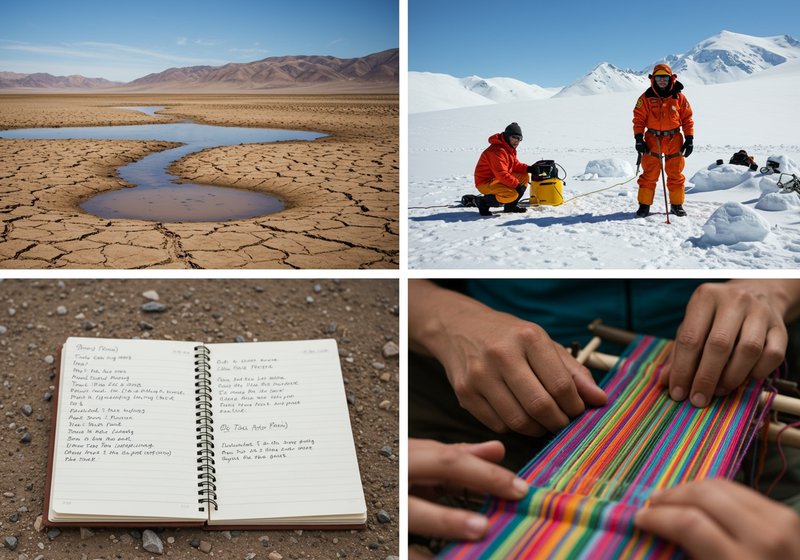
Whether looking back on a recent trip or rereading a travel journal from year ago, reflecting on my travels continues to change me, how I travel, and how I live my day-to-day life.
After traveling in Australia and seeing how the locals conserved water and how precious a resource it is in many places, I have become much more conscious of my own water consumption both at home and especially while traveling to other areas where water is very limited.
After spending a season in Antarctica and seeing how every bit of waste generated must be gathered up and shipped back off the continent, I’m much more careful about how much waste I generate at home and how I pack when I travel abroad, so as not to leave a trail of trash in my wake.
After working to learn a few phrases of the language of each country I travel to, I see how much my small effort pleasantly surprises the people in my host countries and how it opens doors and forges connections, and it motivates me to learn more languages to make more of these rewarding connections.
After personally seeing how much labor goes into crafting Guatemalan textiles by hand, I’m more motivated to value the work, avoid mass-produced cheap imitations, and pay a fair price for the work.
I could go on and on about how my personal experiences and reflections on past trips have shaped my daily habits, consumer choices, cross-cultural understanding, and care for the environment.
Reflecting on your travels also shapes the choices you make while planning future trips. Right now, I’m planning our next vacation. Reflecting on my past experience doesn’t just help me remember where I’ve been—it shapes where I’m going next, and what I will do when I get there.
Conclusion – The Journey Within
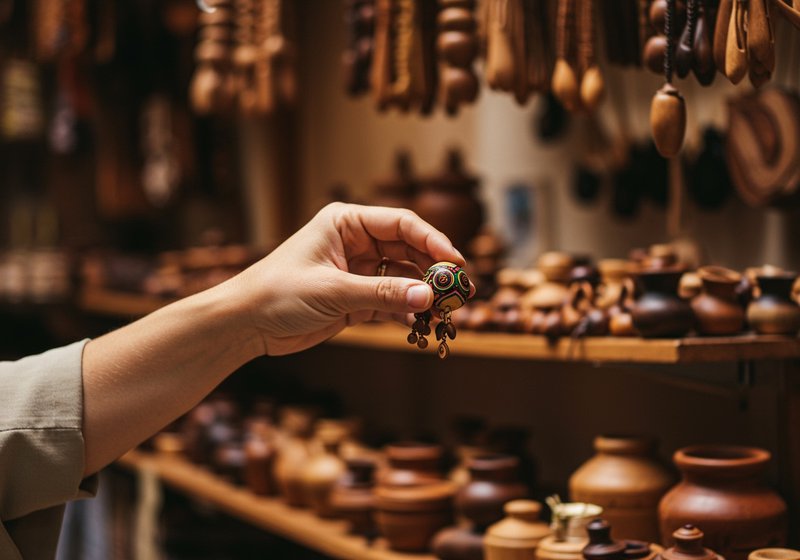
Looking back at some of those early travel journals, I sometimes feel a rush of mixed emotions. The excitement of being in a new place, learning new things, experiencing new sights, smells, sounds… And occasionally the pang of guilt remembering something I did then that with the knowledge I have now, I might have done differently.
- Those men in Lesotho that I photographed when it was clearly against their wishes.
- That mass-produced, cheap souvenir I bought instead of supporting a local craftperson.
- The elephant “sanctuary” we visited in Thailand when in retrospect I realized… it probably wasn’t actually a sanctuary.
Every trip changes the map of who we are. Reflecting on your travels is how you draw the route and plan better for next time. In the next post, we’ll talk about one more important “R” of responsible travel: Retelling. What and how we share our trips and experiences with others can literally help to change the world. Let’s be sure to reflect not only on what we learned and experienced, but what is worth sharing with others, and how and why. We’ll dig in with the final installment in this series!
Enter your name and email to receive my newsletter and stay up to date!
We hate spam as much as you. Your email is safe with us.