
Respectful Travel: Essential Tips and the Third R of Responsible Travel
In my last two posts in this series on the 7 Rs of Responsible Travel, I covered the first R (Research) and the second R (Ranking) of responsible travel. Those are things to do before embarking on a trip abroad. With this post, I’ll touch on respectful travel. The third R of responsible travel: Respect, kicks off the list of considerations for responsible travel during the trip abroad.
The respectful traveler who regards others and admires the unique qualities of the local cultures, is far more likely to have a positive experience. They’re also likely to have a more positive impact on the destination.
The 4 Areas of Respectful Travel
Traveling to a foreign country offers exciting opportunities to learn and grow. However, it also comes with the responsibility of respecting the local people, cultures, and environments we encounter. The Oxford dictionary defines respect as "due regard for the feelings, wishes, rights, or traditions of others."
Let’s break down the Oxford dictionary definition of respect and explore each aspect as it relates to travel:
1. Feelings
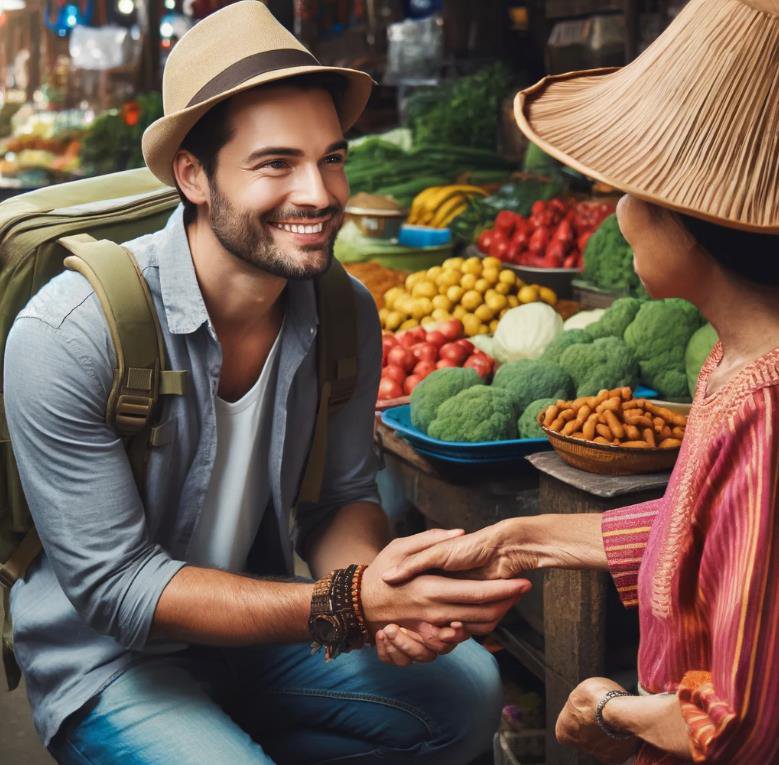
Respect the feelings of those you encounter. This means treating people with courtesy and adhering to the golden rule: treat others the way they want to be treated.
Don’t Insult Intelligence
Many of us have had the experience of someone assuming we know little or nothing about a particular topic. We’ve had that crappy feeling of having our intelligence insulted. This is often magnified when there is a language barrier, and I’ve seen it go both ways. Residents of a place sometimes assume all travelers are ignorant, while English-speaking travelers sometimes yell at residents in English even when the residents clearly don’t understand. (Yelling doesn’t help, even yelling slowly!)
Acknowledge the intelligence of those in your host country. I’ve observed many travelers approach the people of other countries, especially developing countries, with an “I need to educate you” type of attitude. It doesn’t occur to some travelers that the people they encounter abroad may, in fact, be highly educated. Assume they have different perspectives and valuable insights and wisdom we can learn from.
I’ve taken classes from people of other cultures and learned much more than just the subject matter. These interactions have provided me with fresh perspectives and deeper understanding. Everyone I meet has something to teach me, and makes my travels infinitely richer.
For example, in the music classes I take from my teachers in Mexico, I don’t just learn new musical concepts. I also learn cultural nuances, historical facts, perspectives on current events, interesting expressions, and insights on life from a fresh point of view, to name just a few things.
Keep Your Cool
Losing your cool rarely yields positive results. If things aren’t going the way you want them to, it can be tempting to shout at someone and demand the service that you feel you deserve. This often backfires.
I’ve learned this the hard way more than once.
In 2022 while traveling through Guatemala, one of the security screeners confiscated a spork I traveled with to avoid generating plastic waste.
Even though it was a relatively minor thing, this angered me and I lost my cool. I argued with the woman. First I tried to reason with her, then accused her of stealing. I demanded to see where in the rules a spork was prohibited and demanded to see her supervisor. Neither request was granted.
In my anger and frustration I lost control and started to cry. This only embarrassed me in front of the airport personnel and my traveling companions and seemed to harden the woman who had taken the spork from me.
Making others feel important and respected often results in better outcomes. When people feel valued, they are more likely to go out of their way to assist you.
2. Wishes
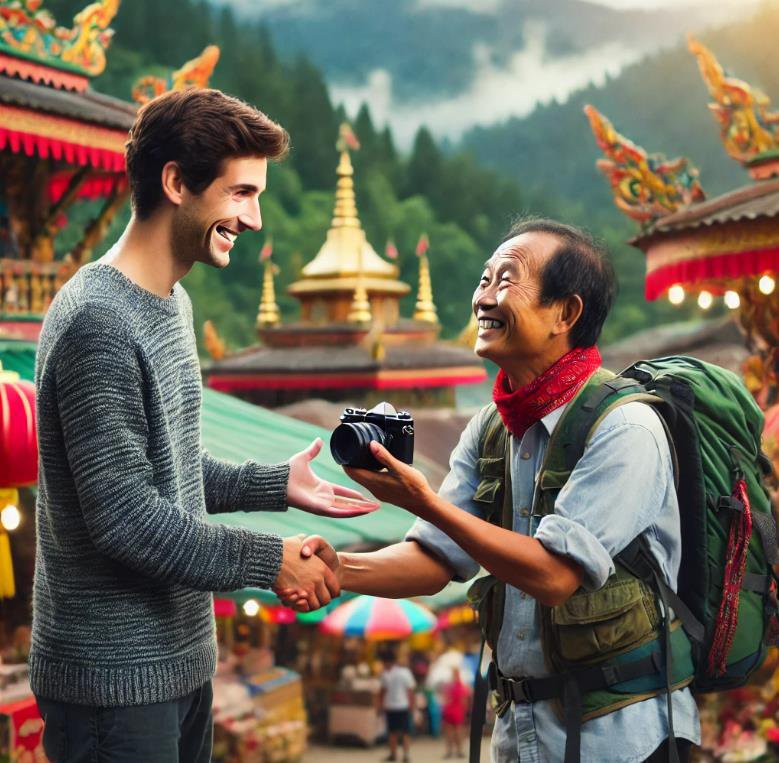
Remember you are a guest in someone else’s country. Treat the people as your hosts, and respect their wishes.
Respecting Privacy
Before photographing people, their children, or their homes, always ask for permission. During a trip to Nicaragua 25 years ago, I saw the importance of this firsthand. A couple of women in our group took photos of homes through windows and doors. They ignored the privacy and dignity of the local residents. This behavior not only invades privacy but also reduces locals to mere backdrops for your travel stories.
In contrast, asking permission can lead to meaningful interactions. Locals might share stories, offer insights into their lives, or even invite you into their homes. These experiences enrich your travels far beyond a mere photo opp.
Respecting Agency
Another aspect of respect is trusting that people in local communities know their own problems and solutions better than any outsider. A phenomenon exists where people from wealthier countries believe they must “save” or help “the locals” and impose their ideals on them in ways that ultimately reinforce a sense of superiority and paternalism (rooted in historical contexts of colonialism, and sometimes referred to as the “white savior complex”).
This mindset often manifests in the context of volunteering, charity work, and even media representation, where well-intentioned actions can unintentionally perpetuate stereotypes and undermine the autonomy and capabilities of the very people being "helped."
What are the wishes of the people of that country? Is what we think is best for them, really what they need or want? Do the outsiders really fully understand the local context or needs? Failing to involve local leaders and communities in decision-making processes undermines their agency and expertise. They know their situation and their needs better than any of us.
Implementing short-term fixes without addressing underlying systemic issues or ensuring sustainability dooms many well-intentioned programs and projects (often in the field of “voluntourism”) to failure, creating dependency, reinforcing stereotypes, and disempowering local communities, ultimately causing more harm than good.
Instead, we need to prioritize listening to the needs and perspectives of local communities, supporting their initiatives, focusing on empowerment and sustainable solutions, and continuously reflect on the impact of our actions to ensure they are respectful and effective.
For an excellent documentary on this topic, I highly recommend watching Poverty, Inc.
3. Rights
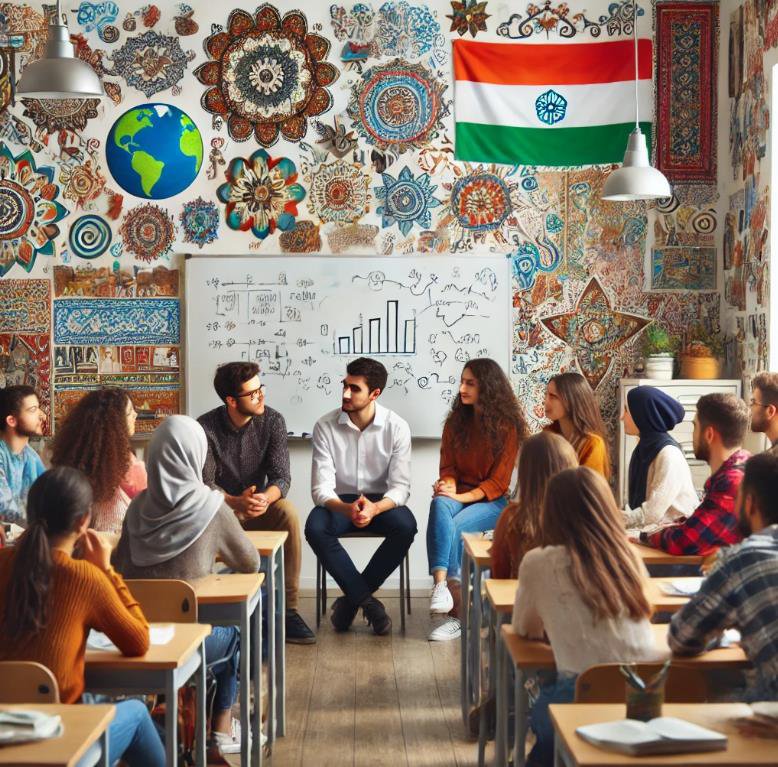
Respecting rights isn’t just about human rights, although that is supremely important. Animal rights compliment human rights by fostering a culture of respect for life. Respect for animals builds a more compassionate and just world overall. Environmental rights are also important, so much so that some countries have actually embedded these rights into their constitutions. Ecuador, for example, was the first country in the world to incorporate the rights of nature into its national constitution.
Human Rights
Travelers should respect human rights by avoiding practices that put people and children at risk.
Choose ethical tourism providers. For example, in Tanzania, porters on Mount Kilimanjaro often work under grueling conditions, overloaded and under-equipped. Choosing tour companies, such as those certified by the Kilimanjaro Porters Assistance Project, that ensure fair treatment of workers, can make a significant difference.
Going with local tourism providers also helps the local economy far more than outside corporations that take the lions’ share of the profits from tourists, which can make it hard for residents to build a better life for themselves.
Be especially mindful of tourism (including volunteer trips) involving children. Do not participate in or support “orphanage tourism” (visiting or short-term volunteering) which often exploits children. Be careful about giving to child beggars or engaging in activities that use children as “props” for photos or tips. Sometimes there is far more going on than meets the eye.
Animal Rights
Similarly, ensure that any animal-related tourism you engage in treats animals humanely.
When I visited the Galápagos, we were instructed not to touch the wild animals despite their lack of fear towards humans. Respecting their natural behavior ensures their safety and yours. If you like animals, aim for experiences that allow animals to live as free and naturally as possible.
Be wary of companies that profit by putting animals up for “show.” These animals sometimes live in inhumane conditions and are tortured during training to force them to learn the “tricks” they do for the public. I love animals and am as guilty of anyone of going to animal shows and animal encounter experiences before I learned about what many of these animals go through.
A good rule of thumb to live by is, if the animal wouldn’t naturally do it in the wild (e.g. carry you, perform tricks, pose for selfies, cuddle with you), then it’s probably not ethical.
Environmental Rights
Environmental degradation threatens communities’ right to health, clean water, and sustainable livelihoods. Reducing waste, avoiding overuse of limited resources (such as water), and choosing eco-friendly transport and lodging indirectly protects these rights.
While you’re packing for your trip, don’t forget to include a few reusable items to cut down on your waste—things like a reusable water bottle, eating utensil, leftover container, and shopping bag. Part of respectful travel includes thinking about where you’re most likely to generate trash and finding ways to prevent that waste.
Selecting lodging options that are more environmentally responsible by reducing excessive use of water and electricity and reducing waste can also make a big difference. For example, some resorts build large golf courses in areas where water is scarce, provide drinking water to their guests in disposable plastic bottles, and wash towels every single day when every 2 or 3 days would normally be just fine. Consider these things when choosing where you will stay and strive to pick the more environmentally responsible options.
4. Traditions
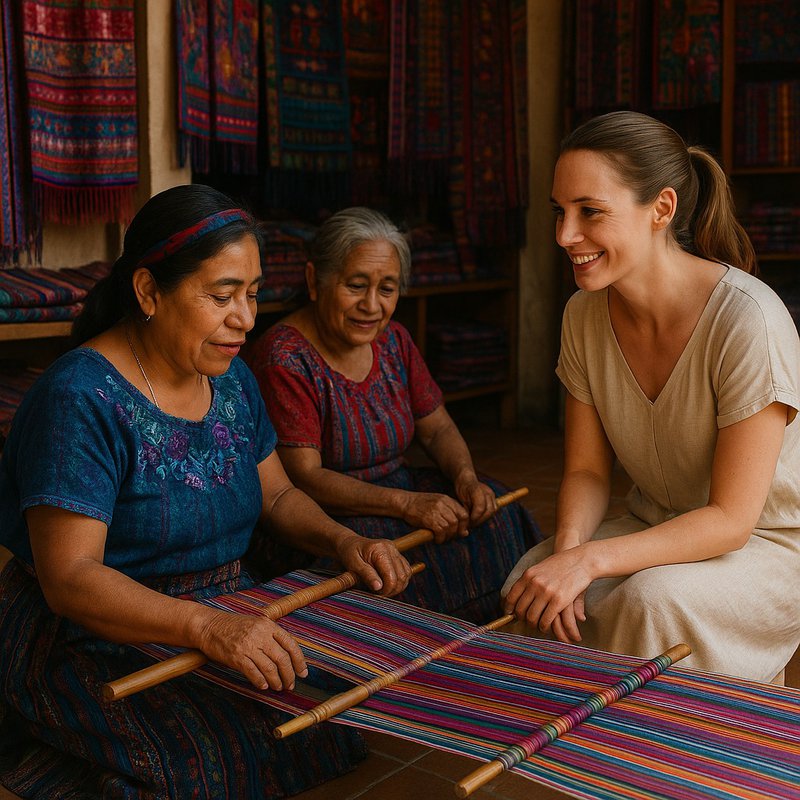
Honor the culture of the place you visit by showing respect for their dignity. Dress appropriately, learn a few phrases of the local language, and do a bit of research ahead of time on their cultural norms, traditions, what things are important or meaningful to them, and what might be considered offensive or taboo. While it’s impossible to learn everything, having a basic overview can help prevent a faux pas or two.
Sacred Places
For some destinations, a big part of respectful travel is learning the expected behaviors for places considered sacred by people in the host country. Enter quietly, and follow posted rules. Avoid taking photos unless explicitly allowed. During my trip to Thailand, signs in one temple clearly indicated that photography was not allowed, yet some tourists disregarded these rules, and I noticed the disapproving looks of several locals. Respect their religious sites as you would wish yours to be respected.
Cultural Appropriation
Major corporations in wealthy countries often make money from commercially produced cultural items, performances, and other works of art when the original creators are never compensated or consulted.
I am reminded of the beautiful hand-woven Mayan textiles I saw in Guatemala. Chinese companies stole their ancient designs, which tell their stories and convey deep meanings that they pass down through the generations. These companies now mass-produce knock-off clothing that they sell at a fraction of the price, for a huge profit, endangering their ancient and beautiful traditions.
When considering a performance to watch or a souvenir to purchase, check out whether that art is locally made and fairly compensates the host communities, or whether it might be mass-produced or commercialized by outsiders who are profiting from the local community.
Britannica has this to say about various types of cultural appropriation: “they’re all ultimately the result of a more powerful person’s lack of thoughtful, respectful engagement with others—a dynamic that’s harmful whether it is intentional or not.”
This is what is so wonderful about community tourism, initiated and led directly by the members of the community. The sharing is on their own terms, they benefit directly from the support of the tourists, and the tourists benefit from authentic experiences that most other travelers miss out on.
Respectful Travel in a Nutshell
If we were to boil respectful travel down to one idea, it is this:
Travel in a way that honors the dignity of people, animals, and places–leaving them better, not worse, for your visit.
In practice, this means treating:
- Local communities as your hosts, not your servants or photo props.
- Animals in ways that don’t harm or exploit them.
- Places in ways that future generations (both travelers and locals) can enjoy them.
Before doing something, ask: Would this action feel respectful if someone did it to my home? My family? My community? My country? Being able to answer “Yes” to these questions is the essence of respectful travel.
On your next trip, pick one way you’ll practice respectful travel. Will you learn some phrases in the local language? Will you support a community-owned tour? Bring a kit of reusable items to reduce your generation of waste?
With a mindset of respect, go, appreciate, and enjoy your travels!
Enter your name and email to receive my newsletter and stay up to date!
We hate spam as much as you. Your email is safe with us.